That constant ringing in your ears is not just annoying — it can disrupt your sleep, your concentration, and your emotional wellbeing. If you are searching for how to stop ringing in ears, you are among more than 50 million Americans dealing with the same problem every day. The medical term for this is tinnitus — the perception of sound with no external source. And the key to managing it starts with understanding where it actually comes from.
Why Your Ears Won’t Stop Ringing
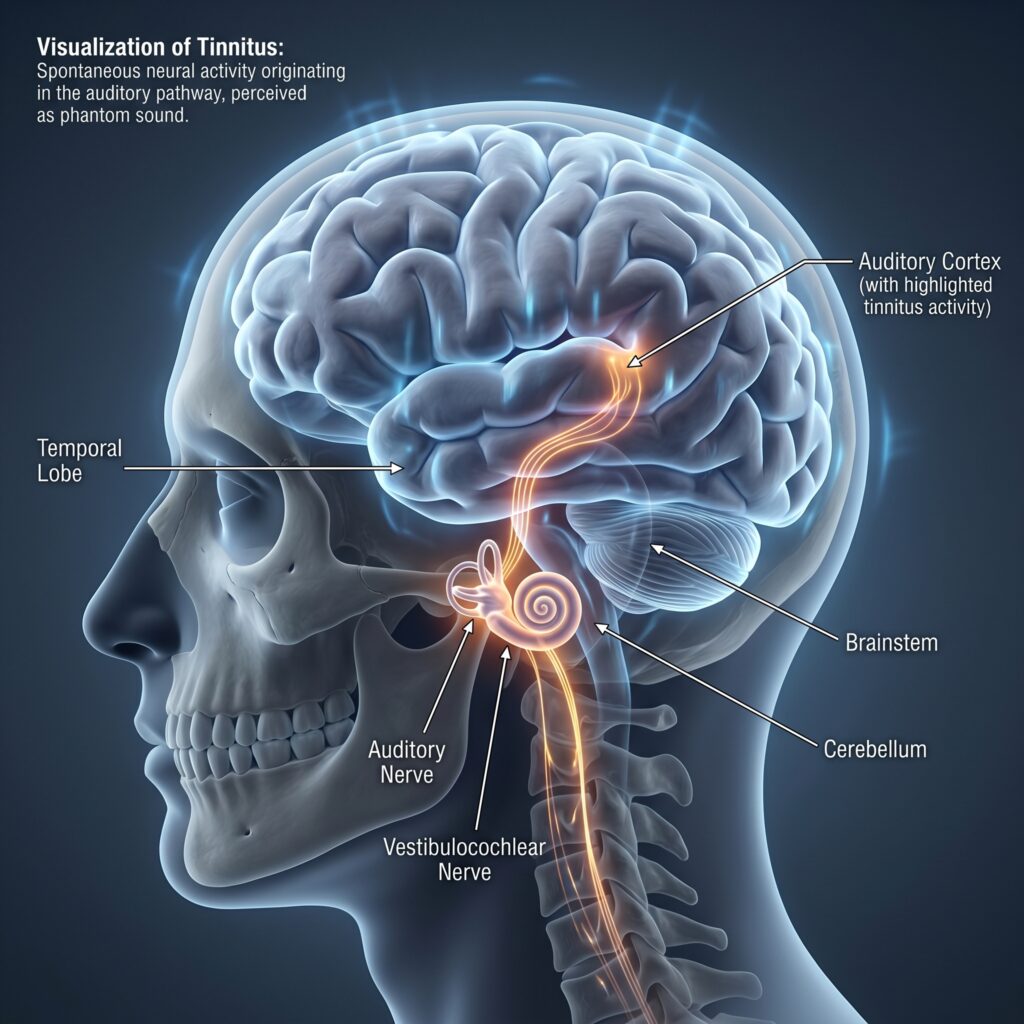
Most people assume ringing in the ears is caused by the ear itself. The truth — backed by research from the National Institutes of Health — is more surprising. Tinnitus is generated by your brain, not
your ear. When the tiny hair cells inside your cochlea become damaged — through noise exposure, aging, stress, or injury — the signals they send to your brain’s auditory cortex change. Your brain, used to receiving constant sound stimulation, compensates by generating its own phantom sounds. Researchers describe this as a “brain glitch.” This is why treating only the ear rarely solves the problem — the real origin is neurological.
Common Causes of Ringing in Ears
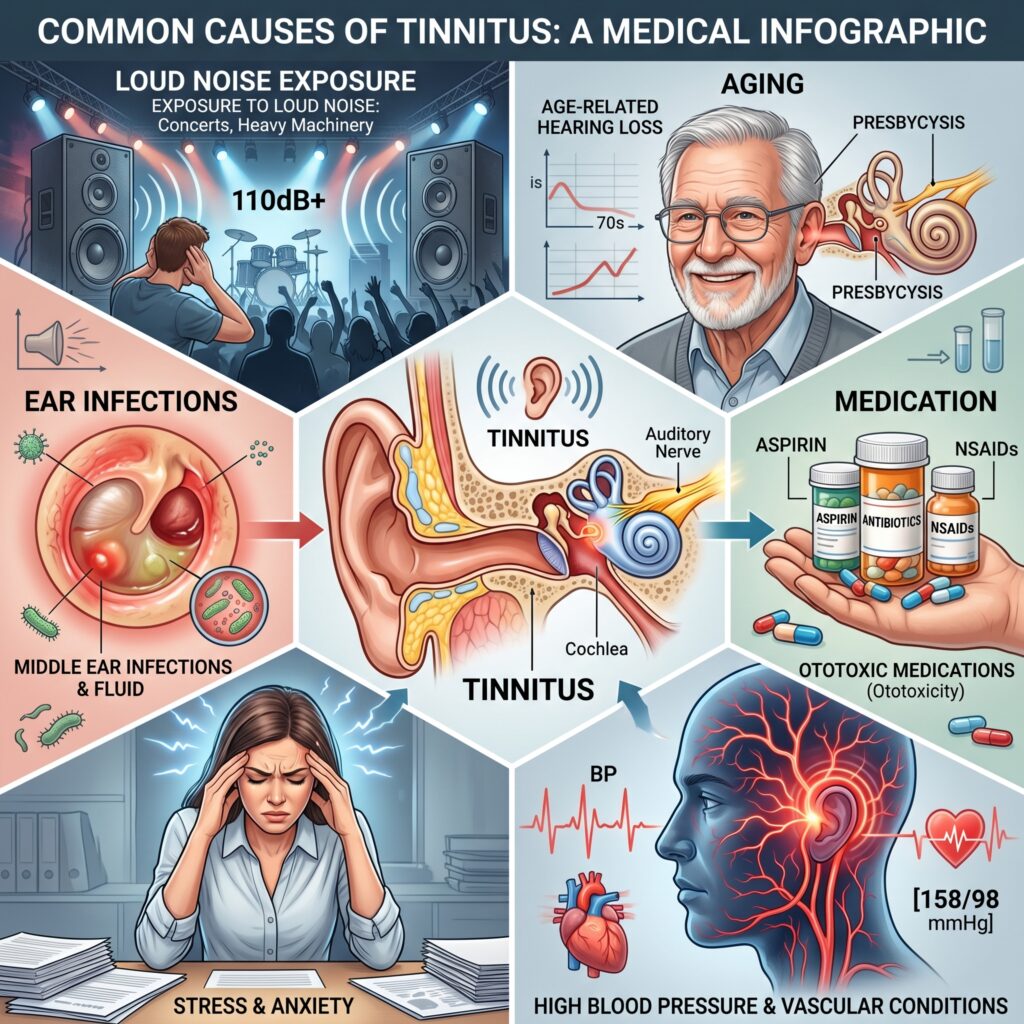
Before learning how to stop ringing in ears, it helps to understand what is causing it. According to the Mayo Clinic and Cleveland Clinic, the most common triggers include:
Age-Related Hearing Loss
As you age, cochlear hair cells gradually deteriorate. These damaged cells send misfired signals to the auditory cortex, which the brain interprets as sound. About 1 in 3 adults over 65 develop tinnitus this way.
Noise-Induced Damage
Exposure to loud sounds — concerts, firearms, heavy machinery, or earbuds at high volume — is one of the most common causes of ringing in ears. It is also the number one service-related disability among military veterans.
Stress and Anxiety
Tinnitus and stress create a clinically documented vicious cycle. Stress worsens the ringing. The ringing creates more stress. Sleep deprivation amplifies both. Many people notice their ear ringing becomes significantly louder during stressful periods.
High Blood Pressure
Tinnitus and high blood pressure are directly connected. Hypertension forces blood through vessels near the ear under increased pressure — producing a rhythmic pulsing sound in time with the heartbeat, known as pulsatile tinnitus.
Medications
Certain medications are known to cause ringing in ears as a side effect, particularly at high doses. These include NSAIDs such as ibuprofen and aspirin, certain antibiotics, diuretics, and antidepressants. If ringing started after beginning a new medication, speak with your doctor.
Ear Infections or Blockages
Earwax buildup or fluid from an infection can block the ear canal and change pressure, triggering temporary ringing. This type often resolves once the underlying issue clears.
Read also: Why Is My Ear Ringing All of a Sudden?
How to Stop Ringing in Ears: 8 Evidence-Based Approaches

There is no single cure for tinnitus — but
research supports several effective
management strategies. Here is what
actually works:
1. Use White Noise at Night
Total silence makes tinnitus worse — the ringing becomes the only thing to focus on. Cleveland Clinic recommends maintaining background sound at all times, especially at night. A white noise machine, fan, or rainfall app can significantly reduce how noticeable your ear ringing is during sleep.
2. Protect Your Ears From Loud Noise
Preventing further cochlear damage is critical. Wear ear protection at concerts, shooting ranges, and noisy work environments. Follow the 60/60 rule for headphones — no more than 60% volume for 60 minutes at a time.
3. Reduce Caffeine, Salt and Alcohol
Research suggests these dietary factors worsen tinnitus for many people. Excess caffeine, high sodium intake, saturated fats, and alcohol can all increase the intensity of ear ringing. Reducing these may provide noticeable relief within weeks.
4. Manage Stress Actively
Since tinnitus and stress feed each other, actively managing stress is one of the most effective ways to reduce ringing in ears. Regular cardiovascular exercise, meditation, and consistent sleep schedules all help lower the baseline intensity of tinnitus.
5. Try Cognitive Behavioural Therapy
CBT has been clinically shown to improve quality of life for tinnitus sufferers — even when the sound itself does not change. It works by retraining how your brain responds to the ringing, reducing the emotional distress it causes.
6. Consider Tinnitus Retraining Therapy
TRT combines sound therapy with counselling to retrain the brain to classify tinnitus sounds as neutral rather than threatening. Studies show significant reduction in tinnitus impact over 12 to 24 months of consistent engagement.
7. Support Your Cardiovascular Health
Since high blood pressure and poor circulation are directly linked to tinnitus — particularly pulsatile tinnitus — taking care of your heart health is taking care of your ears. Regular exercise, a heart-healthy diet, and blood pressure management all reduce tinnitus risk and severity.
8. Support Brain Auditory Health Naturally
Since tinnitus originates in the brain’s auditory networks — not the ear — many people are turning to natural formulas designed to support these neural pathways directly. A vegetarian, non-GMO formula combining 13 research-backed ingredients — including Hibiscus, Hawthorn Berry, Ginkgo Biloba, NAC, Alpha-Lipoic Acid, and B vitamins — targets the brain’s auditory neural networks, inner-ear circulation, and oxidative stress defence simultaneously. Thousands of people managing constant ringing in ears are using this approach as part of their daily routine.
How to Stop Ringing in Ears Immediately: Quick Relief Tips

If you need to stop ringing in ears immediately — in the short term — these approaches can provide faster relief: – Turn on background sound immediately — a fan, TV on low, or white noise app – Cover your ears with your palms and tap the back of your head gently with your fingers — this technique (called the finger drumming method) may temporarily reduce intensity for some people – Reduce your immediate stress level — slow breathing exercises can calm the nervous system and reduce tinnitus perception within minutes – Move to a quieter environment — loud
background noise can worsen tinnitus temporarily – Chew gum or move your jaw — jaw movement sometimes temporarily changes somatosensory tinnitus perception Note: These are short-term techniques. For lasting relief, address the underlying causes through the approaches listed above.
When Should You See a Doctor?

While natural management approaches help
many people, certain tinnitus presentations
require prompt medical attention. See a
healthcare provider if your ringing in ears:
– Has lasted more than one week
– Is accompanied by sudden hearing loss
– Comes with dizziness or vertigo
– Pulses in time with your heartbeat
– Followed a head or neck injury
– Is causing significant anxiety or depression
If tinnitus appears alongside sudden
hearing loss — seek medical attention
within 72 hours. Early treatment is
significantly more effective.
Is Tinnitus Permanent?
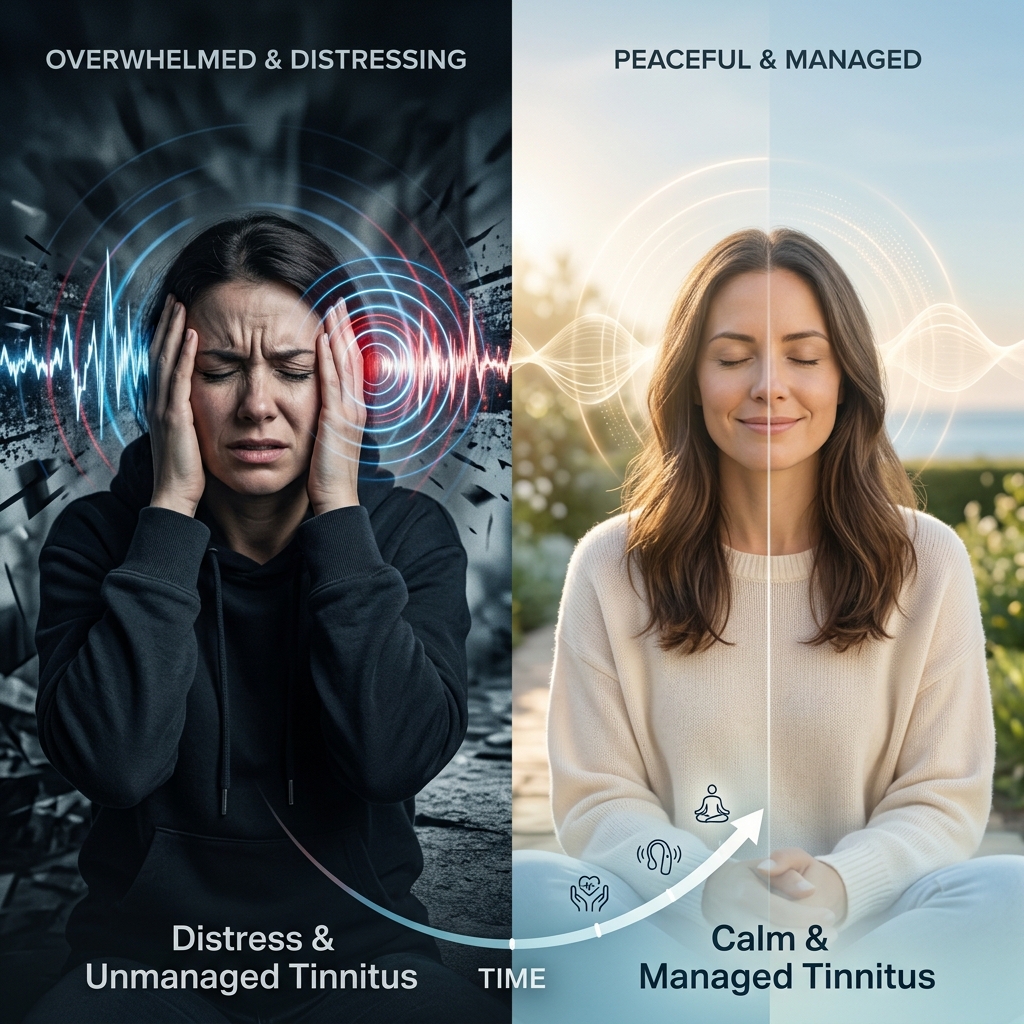
Whether tinnitus is permanent depends entirely on the cause. Temporary tinnitus — such as ringing after a loud concert — typically resolves within hours or days. Chronic tinnitus lasting over three months is less likely to resolve completely without active management. However, most people find that with the right combination of lifestyle changes, sound therapy, and natural support, the impact of tinnitus on daily life reduces significantly over time. The goal is not necessarily silence — but reaching a point where the ringing no longer controls your day.
Read also: Is Tinnitus Permanent? The Honest Answer Nobody Tells You
Conclusion
Ringing in the ears may feel overwhelming, but it is not something you have to passively endure. As research shows, tinnitus is less about a problem in the ear and more about how the brain processes sound — which means it can be managed with the right approach. By understanding the root causes, protecting your hearing, reducing stress, and using proven strategies like sound therapy or cognitive techniques, you can significantly lower its impact on your daily life.
While there may not be a one-size-fits-all cure, there are reliable ways to regain control. Small, consistent changes — from improving sleep habits to supporting overall cardiovascular and brain health — can make a noticeable difference over time. And if symptoms persist or worsen, seeking professional guidance ensures you address any underlying medical issues early.
Ultimately, the goal isn’t complete silence for everyone — it’s reaching a point where the ringing fades into the background and no longer disrupts your focus, sleep, or peace of mind.